



Dermal Fillers
Medical Spa Rx gives licensed practitioners one place to compare and buy dermal fillers, from hyaluronic acid gels for lips and fine lines to calcium hydroxyapatite and biostimulatory products for structural work. The dermal fillers for sale below span several brands and syringe sizes, so you can weigh cosmetic fillers side by side. Browse the grid and buy dermal fillers online with secure checkout, whether your clinic needs one syringe or a bulk order.
Find More with Just a Click!
Can’t spot what you need in our catalog? Fret not–just sign up for our expert consultations. We will provide the insights you need. We're here to guide you to your clinic's potential; no product browsing needed
Showing 1–12 of 191 results


Other information
What Are Dermal Fillers – The Complete Guide for Aesthetic Practitioners
Dermal fillers are gel-like substances injected beneath the skin to restore volume, soften lines, and refine facial contours [1]. In the United States, they are regulated as medical devices, sold only for use by a licensed, trained health care provider and never over the counter [5]. Approved uses include lip augmentation, nasolabial folds, cheek and chin volume, and hand rejuvenation, with each indication tied to a specific product [5]. Hyaluronic acid (HA) is the most widely used material, and most dermal fillers are temporary, breaking down gradually over months [1].
Beyond HA, the category covers calcium hydroxyapatite (CaHA), poly-L-lactic acid (PLLA), and polycaprolactone (PCL) [1]. The exception to the temporary rule is polymethylmethacrylate (PMMA). Bellafill®, a non-absorbable PMMA filler, is FDA-approved, though only for nasolabial folds and certain acne scars on the cheek [5].
How they work depends on the material. HA holds water and fills space directly, so an injection of dermal fillers in this class shows its correction straight away. CaHA and PCL also give immediate volume and then prompt new collagen, whereas PLLA works almost entirely through gradual biostimulation [1]. All of these injectable dermal fillers are minimally invasive, and the FDA groups them under the wider heading of soft tissue fillers [5].
Where Dermal Fillers Sit in the Broader Cosmetic Filler and Injectable Category
Fillers are one part of the injectable menu, and several neighboring categories get grouped with them even though they do different jobs.
- Botulinum toxin relaxes the muscles behind dynamic lines rather than adding volume, which is why it tends to pair with fillers rather than replace them [4].
- Skinboosters are hydration products delivered as microdroplets, meant for skin quality rather than structural lift.
- Biostimulators are chosen for collagen induction, with results that build over weeks and months.
- Polynucleotides sit at the regenerative end of the spectrum.
Surgery is the other point of comparison. Facial fat grafting restores volume with the patient’s own tissue but requires a harvest procedure and longer recovery, while filler treatments are the minimally invasive alternative [1]. Durability is not equivalent, though, so most filler results need topping up.
Types of Dermal Fillers – HA, CaHA, PLLA, PCL, and Korean Fillers
The main types of dermal fillers fall into four material classes [1]. We group Korean-made products separately on our site because buyers tend to shop for them as a category of their own.
- Hyaluronic Acid (HA) Fillers: The most popular kind are HA dermal fillers, and their G′ (G prime) is a measure of how firm a gel is and how well it holds its shape [1]. Firmer gels suit projection work on the chin and cheeks, and softer ones spread more easily in lips and superficial lines.
- Calcium Hydroxyapatite (CaHA): RADIESSE® is the reference CaHA product. Its microspheres sit in a gel carrier that gives immediate volume, and the particles then stimulate collagen as the carrier is absorbed [1].
- PLLA and PCL: These two are often grouped together, but they behave differently at first. PLLA, known as SCULPTRA®, gives little lasting volume on the day; the correction builds gradually as collagen forms over a series of sessions [1]. PCL, known as ELLANSÉ™, gives immediate volume from its carboxymethylcellulose (CMC) gel carrier and then stimulates collagen over the following months [1]. ELLANSÉ™ is CE-marked in Europe but is not FDA-approved as a US dermal filler.
- Korean Dermal Fillers: Many Korean dermal fillers carry CE marking, but status varies by product, so practitioners should check each listing. They are suited for clinics that want to trial a second HA line without a large commitment.
What Conditions Can Dermal Fillers Treat?
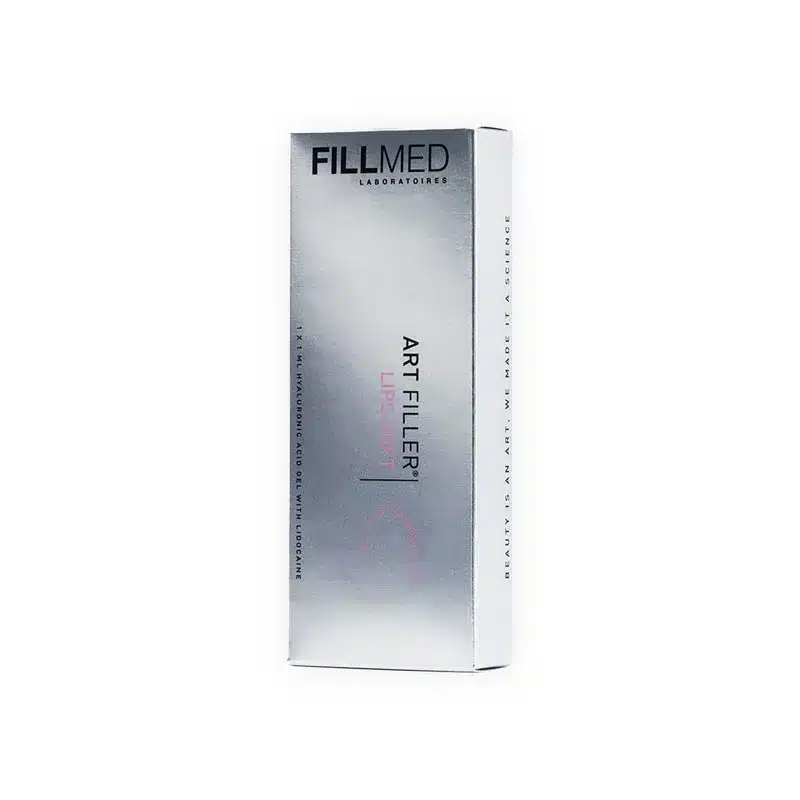
- Lips: Dermal fillers for lips add volume, shape, and definition. Clinics that buy lip injections online will find lip filler for sale from several brands above.
- Under eyes: Dermal fillers under eyes treat infraorbital hollows, but FDA approval for this area belongs to specific HA products: JUVEDERM® VOLBELLA® XC, RESTYLANE® EYELIGHT, BELOTERO® BALANCE (+) Lidocaine, and RHA® Redensity Eye. The FDA’s general filler page still lists periorbital injection among unapproved uses, so the same caution applies to dermal fillers for sunken eyes [5].
- Cheeks: Dermal fillers for cheekbones lift and project the midface, while dermal fillers for hollow cheeks replace volume lost lower down.
- Nasolabial folds: Dermal fillers for nasolabial folds soften the smile lines running from nose to mouth, an FDA-approved use for many products [5].
- Chin: Dermal fillers for weak chin profiles add projection, an approved use for specific HA products [5].
- Wrinkles: Dermal fillers for wrinkles are used on moderate to severe static facial folds and wrinkles [5], such as marionette lines, alongside the nasolabial folds covered above.
- Acne scars: Dermal fillers for acne scarring can lift atrophic scars. Bellafill® is FDA-approved for certain cheek acne scars [5]; other products are used off-label.
- Asymmetry: Dermal fillers for facial asymmetry use the same products chosen for cheek, chin, or jawline work.
- Ozempic face: Dermal fillers for Ozempic face, meaning volume loss after GLP-1-related weight loss, are used off-label. This is not an FDA-approved indication for any filler.
Dermal Filler Brands on Medical Spa Rx – Compare and Buy
Medical Spa Rx stocks all leading dermal filler brands in one place, making it simple to compare formulations before adding a product to your order.
- JUVEDERM® is AbbVie’s HA filler range, spanning volumizing, contouring, and skin-quality products across a full spectrum of facial indications. Clinics that buy JUVEDERM® as their core HA line usually do so for that breadth, since one family can cover most of the face.
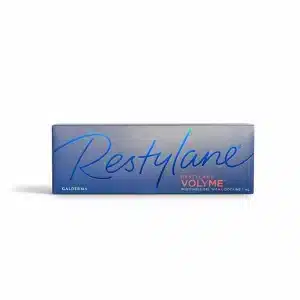
- RESTYLANE® is Galderma’s HA filler family, built on NASHA and OBT technologies, with dedicated products for lips, cheeks, under-eye hollows, and skin quality. The two technologies behave differently, so it helps to compare them across the range before you buy RESTYLANE® for a specific indication.
- RADIESSE® is Merz’s CaHA filler, offering immediate volume followed by sustained collagen stimulation. It holds FDA approval for hand rejuvenation, while hyperdilute body use is common but largely off-label. Because CaHA cannot be dissolved with hyaluronidase, most practices buy RADIESSE® to sit alongside an HA range rather than replace one.
- REVANESSE® is Prollenium’s HA filler range, made with cross-linked HA that the company describes as ultra-pure, with versatile facial and lip options. Practices looking to buy REVANESSE® often add a second HA family alongside a larger brand.
- BELOTERO® is Merz’s HA filler range, built on CPM technology for fine-line integration and soft-tissue filling across several facial indications. If your clinic does a lot of superficial and detail work, it is worth weighing whether to buy BELOTERO® for those cases specifically.
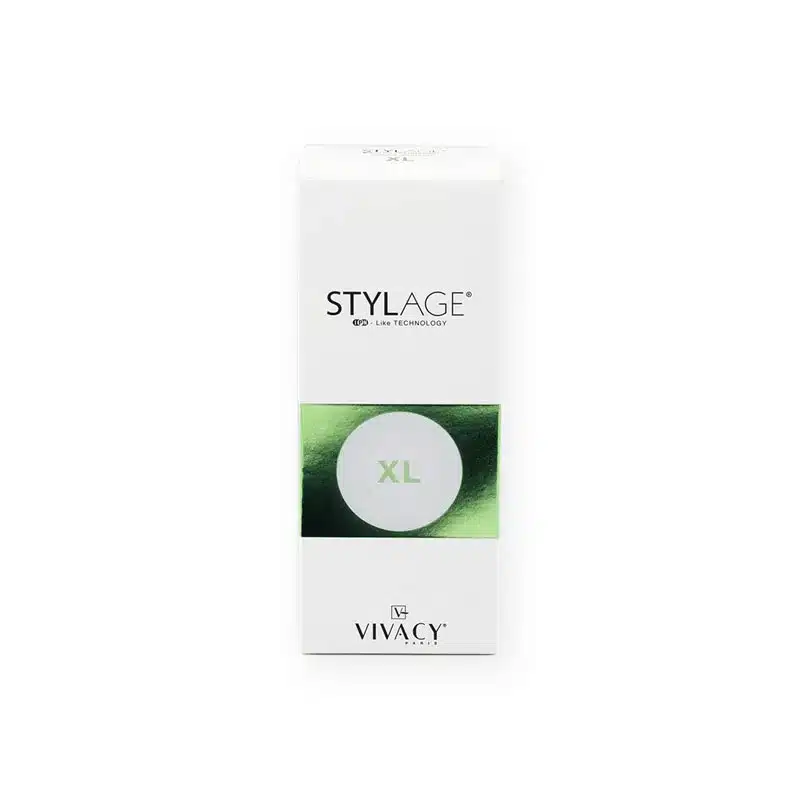
- STYLAGE® is Laboratoires VIVACY’s HA filler range, which pairs IPN-Like technology with added antioxidants, including mannitol, for facial volumizing and skin quality. Practitioners who want one antioxidant-enhanced range for both goals can buy STYLAGE® instead of splitting those needs across brands.
Dermal Fillers vs Botox – What’s the Difference?
Fillers work structurally. They replace or add volume, lift tissue, and fill static lines that stay visible when the face is at rest.
Botulinum toxin works on muscle. It temporarily relaxes the muscles that crease the skin, so it targets dynamic lines such as forehead lines, frown lines, and crow’s feet [4]. The difference between smile lines and crow’s feet is a useful shorthand here. Smile lines, or nasolabial folds, are a filler indication, whereas crow’s feet are dynamic lines usually treated with toxin.
Because the mechanisms complement each other, consensus guidance supports combining the two in one treatment plan [4], although the FDA notes that no controlled study has evaluated combined use [5].
Dosage, Longevity, and Time to See Results
HA and CaHA fillers show their effect at the time of treatment, while PLLA builds gradually over weeks to months [1]. Swelling and bruising usually settle within one to two weeks. As for how long it takes for dermal fillers to settle into their final result, most injectors allow two to four weeks before judging the outcome. That is also when clinics that document dermal fillers before and after treatment tend to take the follow-up photo.
Duration depends on the filler material and the area treated [5]. HA degrades gradually, while biostimulators rely on the collagen they trigger [1]. Typical ranges:
- HA: about 6 to 12 months at the class level [5]; some volumizing HA products, such as JUVEDERM® VOLUMA®, are labeled up to 18 to 24 months
- CaHA: approximately 18 months [5]
- PLLA: up to 2 years, usually after a series of treatments [5]
- PCL: published data are strongest for roughly 1 to 2 years
- PMMA: non-absorbable
Volume per session varies with product and indication. As typical ranges rather than rules, lips often take 0.5 to 1 mL and cheek or jawline work 1 to 4 mL, with the injector’s assessment and the IFU deciding the final amount.
Clinical Benefits of Dermal Fillers
- They restore volume and contour in areas affected by aging or weight loss.
- They soften static lines and enhance features such as the lips, cheeks, and chin.
- Treatment is minimally invasive, with far less downtime than surgery or fat transfer.
- HA results can be adjusted or dissolved with hyaluronidase, which lowers the commitment for first-time patients [3].
- Biostimulatory products (CaHA, PLLA, PCL) add collagen production to the volume effect, so results can outlast the carrier gel [1].
The range of indications covered by dermal fillers, from lips and cheeks to Ozempic face correction, makes this a single category capable of addressing many different patient goals.
Legal Status – Who Can Buy and Administer Dermal Fillers?
In the United States, dermal fillers are Class III medical devices that reach the market through premarket approval (PMA), not 510(k) clearance, so the correct term is FDA-approved [5]. They are approved for adults aged 22 and over, are not sold over the counter, and should be injected only by licensed, trained practitioners [5]. Who may inject is set by state scope-of-practice rules.
The FDA-approved uses of dermal fillers are set product by product and include nasolabial folds, lip, cheek, and chin augmentation, and hand rejuvenation. Permanent fillers are approved only for nasolabial folds and cheek acne scars [5], and under-eye approval belongs to specific HA products.
In the EU and UK, fillers carry CE marking, which a notified body grants after a conformity assessment under the Medical Device Regulation (MDR). The European Medicines Agency does not CE-mark these devices.
Status is product-specific. Some are CE-marked but not FDA-approved, so confirm what your jurisdiction permits. Medical Spa Rx sells to verified licensed practitioners only, and only verified accounts can purchase dermal fillers online through our catalog.
Storage and Shipping Requirements
Most HA fillers are stable at controlled room temperature (2°C to 25°C), though some products require refrigeration between 2°C and 8°C. Always check the individual product IFU, since requirements vary by brand and formulation.
Products should be kept away from freezing temperatures and direct sunlight. Medical Spa Rx ships all dermal filler orders with appropriate packaging, but practitioners should still inspect shipments on arrival and check expiry dates before storing product. Opened syringes are single-use only and should never be reused between patients.
Price of Dermal Fillers – Current Wholesale Prices at Medical Spa Rx
Pricing across the dermal filler category varies by brand, HA concentration, syringe size, and order volume.
Pricing is per unit (x1).
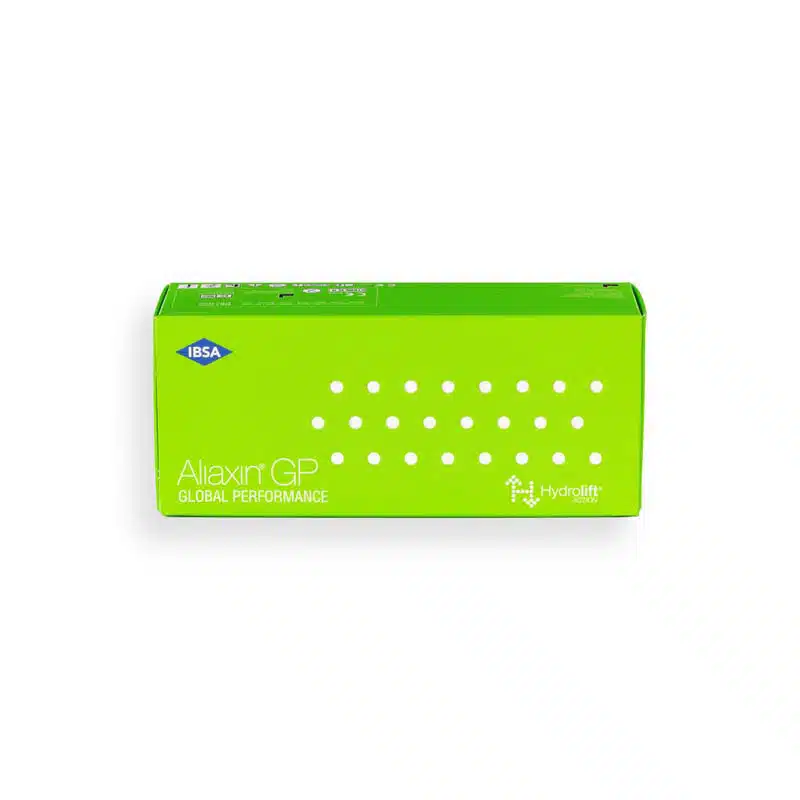
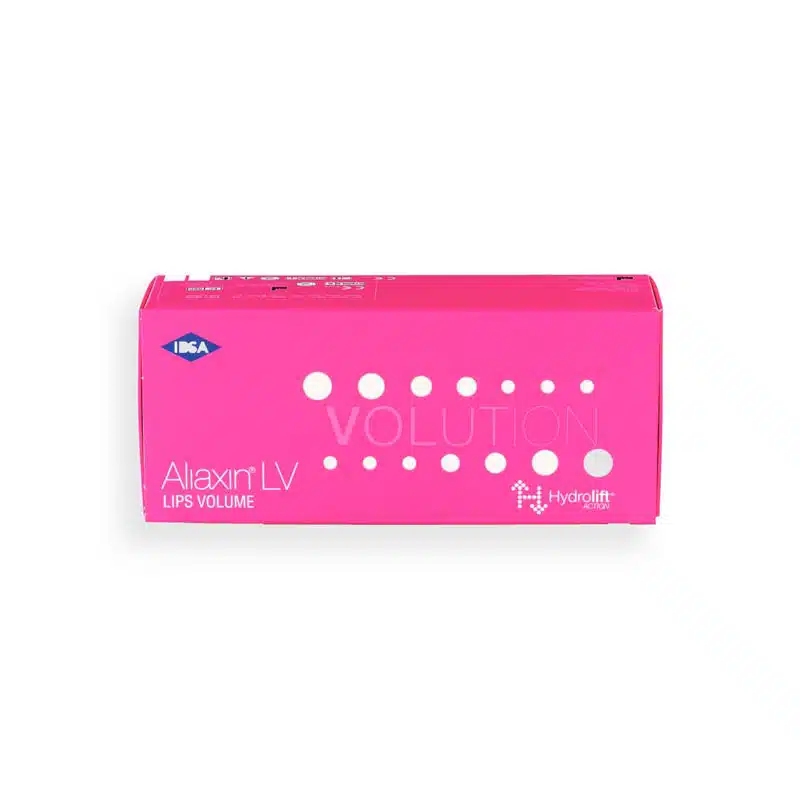
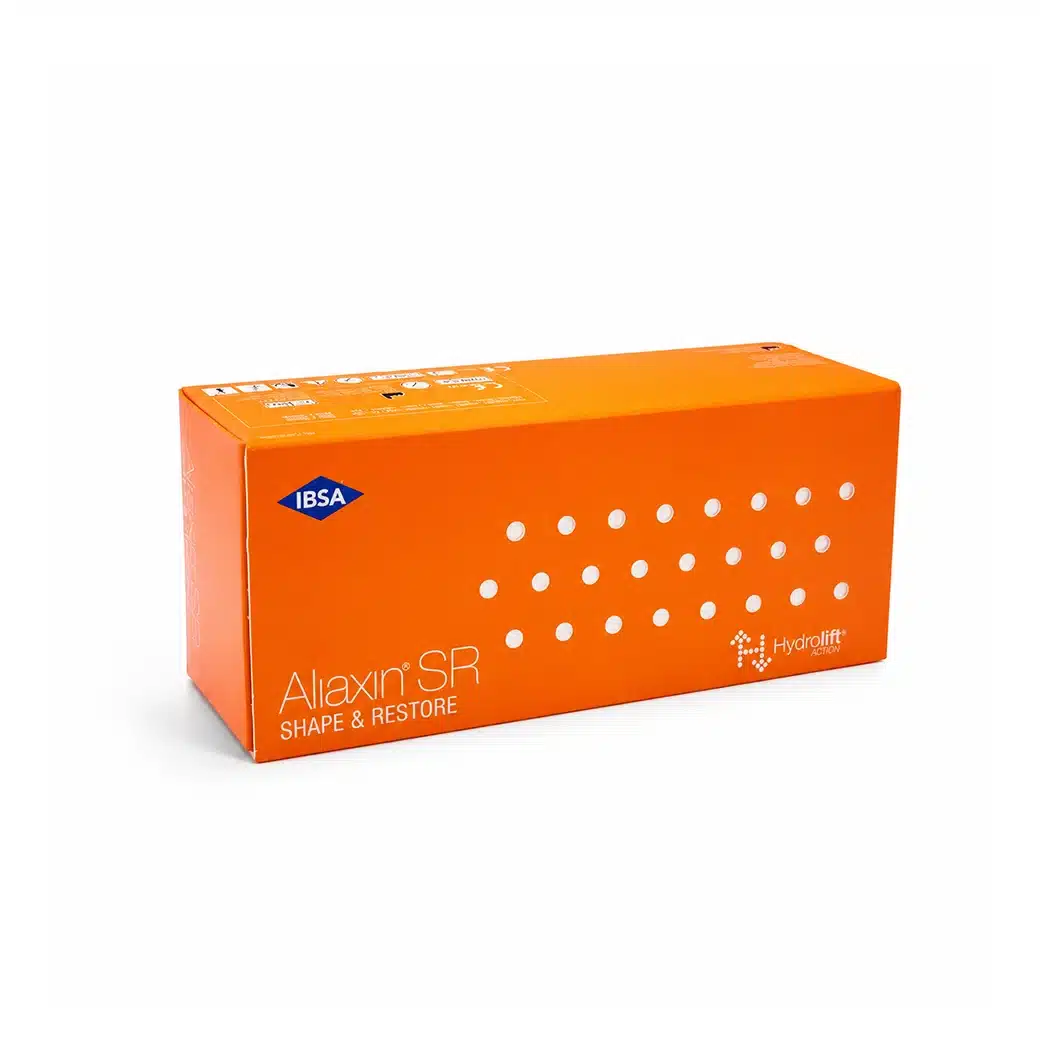
- ALIAXIN® GP – $159.00
- ALIAXIN® SR – $159.00
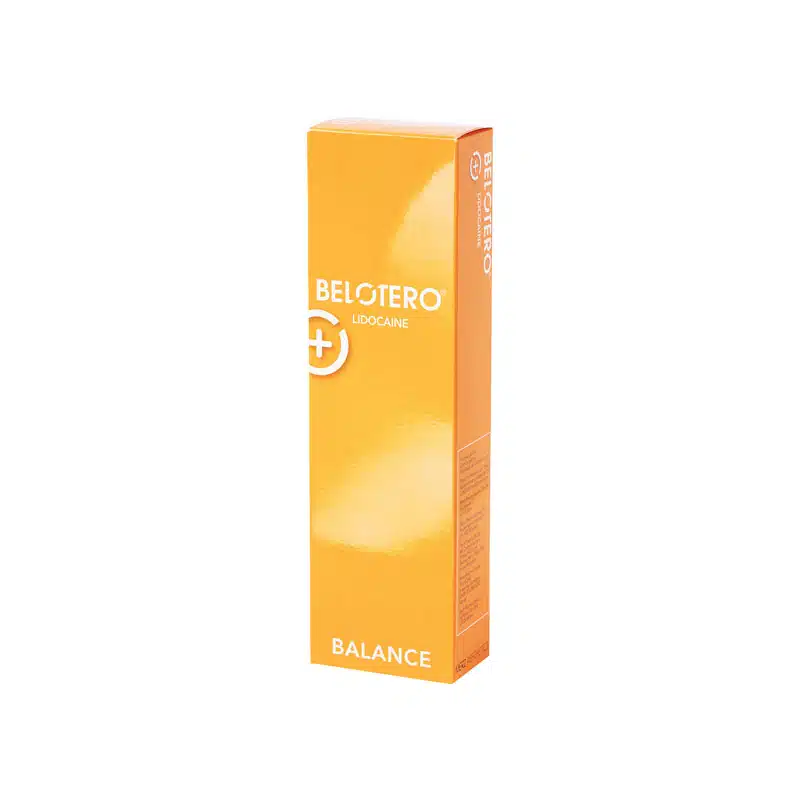
- BELOTERO® BALANCE with Lidocaine – $209.00
- INTRALINE® ONE – $79.00
- RESTYLANE® SKINBOOSTERS™ VITAL LIGHT with Lidocaine – $149.00
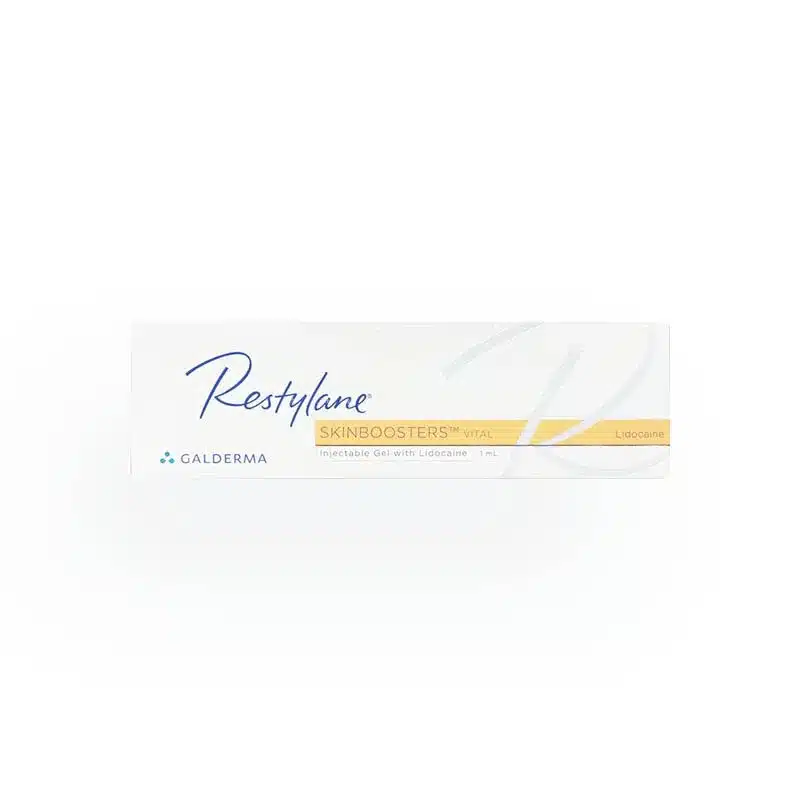
- RESTYLANE® SKINBOOSTERS™ VITAL with Lidocaine – $169.00
- REVOFIL™ PLUS – $89.00
Browse the product grid above for the full current range across all brands. Practitioners looking to buy dermal fillers in bulk can contact the Medical Spa Rx team directly for volume discounts on larger orders.
You can order dermal fillers online one listing at a time, but clinics that buy dermal fillers wholesale can contact our team for volume pricing.
Side Effects and Safety
Most dermal filler injections cause swelling and bruising, along with redness and tenderness at the injection site, which usually resolve within one to two weeks [3][5].
Serious complications are rare, but they require planning. Risks include vascular occlusion from unintended injection into a blood vessel, which can lead to tissue necrosis [2]. The FDA also lists vision loss, blindness, and stroke among rare adverse events [5]. Infection, nodules, and delayed inflammatory reactions can appear later [3].
Anatomical knowledge, careful technique, and sterile preparation all lower these risks [2]. With HA products, hyaluronidase is the first-line response to a suspected vascular event [2], which is why many clinics keep it on hand when they stock HA fillers.
Where to Buy Dermal Fillers Online – Medical Spa Rx
Medical Spa Rx is a secure online platform where licensed practitioners can buy dermal fillers online and compare brands before committing. HA, CaHA, and biostimulatory products are in one catalog, so you don’t need to split an order across suppliers.
Order size is flexible. Some clinics buy dermal filler online a syringe at a time to trial a new line, while others buy dermal fillers wholesale to restock the products they use every week. Lip-focused practices can buy lip fillers online from several brands in one cart, and repeat buyers can order dermal fillers online from the same verified account.
Compare and buy dermal fillers online at Medical Spa Rx. Browse the catalog above or contact our team for wholesale pricing.
Frequently Asked Questions
What are dermal fillers?
Dermal fillers are injectable aesthetic products made from different biocompatible materials, selected based on the correction needed, treatment area, and desired duration of effect.
How are dermal fillers classified?
There are four main classes. HA fillers are the most common and can be dissolved with hyaluronidase [3]; CaHA (RADIESSE®) and PCL (ELLANSÉ™) give immediate volume before stimulating collagen, and PLLA (SCULPTRA®) works gradually.
What can dermal fillers treat?
Approved uses cover the lips, nasolabial folds, cheeks, chin, and hands, each tied to a specific product. Practitioners also use fillers for acne scarring, facial asymmetry, and hollow cheeks. Under-eye treatment is approved only for certain HA products, and GLP-1-related volume loss is treated off-label.
How long do dermal fillers last?
The duration of a dermal filler depends primarily on the material used, the injection site, and individual patient factors. US guidance puts HA at roughly 6 to 12 months, CaHA at about 18 months, and PLLA at up to two years, with some volumizing HA products labeled for longer. Most fillers are not permanent and need repeat sessions; non-absorbable PMMA is the exception.
Are dermal fillers safe?
They are considered safe when a trained, licensed practitioner uses an authorized product within its labeled indication [5]. Swelling, bruising, and redness are expected and short-lived, while rare risks include vascular occlusion, tissue necrosis, and, uncommonly, vision loss [2][5]. Regulatory status also differs by product, so check each listing rather than assuming one status for the whole category [5].
Do dermal fillers hurt?
Discomfort is usually mild. Many formulations contain lidocaine, and injectors often add a topical anesthetic [3]. Patients who ask whether they can exercise after dermal fillers are usually told to skip strenuous workouts for 24 to 48 hours, and the usual advice on how to sleep after dermal fillers is to lie on the back and keep pressure off the treated area for a night or two.
What is the difference between dermal fillers and Botox?
Fillers add volume and fill static lines, whereas Botox relaxes the muscles that cause dynamic lines [4]. Because they work differently, practitioners often combine them in one treatment course [4], though the FDA notes that the pairing has not been tested in a controlled study [5].
Can medical professionals order dermal fillers online from Medical Spa Rx?
Licensed practitioners can order through Medical Spa Rx once their license is verified, adding products to cart one at a time or building a mixed-brand order. Clinics that buy dermal fillers online in the USA for several injectors, or that buy lip fillers online in quantity, can ask our team for a bulk quote.
The page and all of its displayed contents are for medical professionals, designed to inform only, and not as a replacement for medical advice.
Citations
[1] Liu, Jie et al. “Facial Injectable Fillers in Aesthetic Medicine: Clinical Applications and Safety Strategies.” Medical science monitor : international medical journal of experimental and clinical research vol. 31 e949944. 7 Nov. 2025, doi:10.12659/MSM.949944
[2] DeLorenzi, Claudio. “Complications of injectable fillers, part 2: vascular complications.” Aesthetic surgery journal vol. 34,4 (2014): 584-600. doi:10.1177/1090820X14525035
[3] Signorini, Massimo et al. “Global Aesthetics Consensus: Avoidance and Management of Complications from Hyaluronic Acid Fillers-Evidence- and Opinion-Based Review and Consensus Recommendations.” Plastic and reconstructive surgery vol. 137,6 (2016): 961e-971e. doi:10.1097/PRS.0000000000002184
[4] Sundaram, Hema et al. “Global Aesthetics Consensus: Hyaluronic Acid Fillers and Botulinum Toxin Type A-Recommendations for Combined Treatment and Optimizing Outcomes in Diverse Patient Populations.” Plastic and reconstructive surgery vol. 137,5 (2016): 1410-1423. doi:10.1097/PRS.0000000000002119
[5] U.S. Food and Drug Administration. “Dermal Fillers (Soft Tissue Fillers).” U.S. Food and Drug Administration, www.fda.gov/medical-devices/aesthetic-cosmetic-devices/dermal-fillers-soft-tissue-fillers.
Top Dermal Fillers brands
We work with leading international brands specializing in Dermal Fillers , selected for their clinical reliability, regulatory compliance, and consistent treatment outcomes. These are our most recommended suggestions:
Written and reviewed by the Medical Spa Rx Editorial Team
All clinical and product claims on this page have been checked against peer-reviewed research, manufacturer data, and regulatory sources in accordance with our Editorial Policy .