



Mesotherapy
Medical Spa Rx brings mesotherapy injections and professional skin-quality products into one comparison-focused catalog. Licensed aesthetic practitioners, medical spa owners, and procurement teams can review facial, scalp, and body formulations by active ingredients, presentation, and intended application. Compare available brands and buy mesotherapy online using the product grid below. Individual and bulk ordering options are available for eligible professional buyers.
Find More with Just a Click!
Can’t spot what you need in our catalog? Fret not–just sign up for our expert consultations. We will provide the insights you need. We're here to guide you to your clinic's potential; no product browsing needed
Showing 1–12 of 19 results







Other information
What Is Mesotherapy – And Why Do Practitioners Compare Brands Before Buying?
Mesotherapy is a minimally invasive technique involving small intradermal or subcutaneous injections of selected active substances, depending on the formulation and intended use. Qualified medical professionals administer these treatments in clinical and aesthetic settings. Applications may target facial skin quality, scalp concerns, or selected body areas, though evidence varies by indication. The mechanism of action, treatment suitability, and expected outcomes depend on the specific product and protocol. [4]
The catalog includes ampoules, prefilled syringes, and treatment kits with different ingredients, concentrations, and intended uses. For example, a scalp formulation should not be treated as interchangeable with a product for under-eye care or localized fat reduction. Organizing products by application helps clinics narrow their options.
How Mesotherapy Differs From Other Aesthetic Options
Mesotherapy differs from topical skincare, dermal fillers, botulinum toxin, and surgical liposuction in how products are delivered and what they are intended to achieve. Rather than restoring structural volume or relaxing muscles, selected mesotherapy formulations target skin quality and can be applied to the scalp or body through localized injections.
Practitioners may consider mesotherapy alongside PRP, chemical peels, or other aesthetic procedures, depending on the indication. It is not a direct substitute for these treatments, and its benefits should be assessed according to the specific formulation and supporting evidence.
Choosing Between Mesotherapy and Dermal Fillers
Mesotherapy and dermal fillers serve different purposes in aesthetic practice. Clinicians generally select mesotherapy products for skin quality or other localized applications, while dermal fillers restore volume and provide structural support.
Procurement teams should compare viscosity, injection depth, product indication, and expected treatment duration rather than treating these categories as interchangeable. Clinics offering both approaches can buy dermal fillers through Medical Spa Rx and evaluate individual formulations according to their intended clinical use.
Mesotherapy vs Microneedling: How the Products Differ
For product selection, the key distinction is how the procedures use needles. Mesotherapy injects selected ingredients at specific depths; microneedling creates microchannels intended to stimulate skin repair.
Some protocols combine microneedling with a topical mesotherapy serum, but that application is not interchangeable with injectable mesotherapy. Clinics should check the product’s intended route of use before selecting a formulation for either procedure.
Matching Mesotherapy Products to Treatment Areas
Treatment area is an important starting point when comparing mesotherapy products:
- Face and neck: Mesotherapy for face and neck concerns may involve hydration-focused formulations. Product selection requires particular care around the under-eye region.
- Scalp: Mesotherapy for hair loss and mesotherapy for alopecia remain subjects of clinical investigation. Protocols are not standardized, and evidence differs by formulation. [2]
- Body: Mesotherapy for cellulite or unwanted fat may involve injection lipolysis targeting localized fat cells. Treatment planning should also consider connective tissue characteristics, product safety, and regulatory status. [3]
Practitioners should compare formulations according to anatomical suitability and indication rather than relying on broad category claims.
Mesotherapy Formulations for Different Treatment Protocols
Medical Spa Rx’s mesotherapy category includes formulations that differ in composition, intended use, and presentation:
- Facial and skin mesotherapy: A mesotherapy facial may use injectable formulations containing hyaluronic acid, vitamins, or amino acids for skin-quality protocols.
- Hair mesotherapy: Scalp-focused formulations may contain peptides, vitamins, or other selected ingredients, with evidence varying by product. [2]
- Body mesotherapy: Lipolytic formulations are marketed for localized fat reduction and cellulite treatment. Regulatory status and safety evidence require product-specific assessment. [3]
- Under-eye mesotherapy: Products intended for the periorbital area require particular attention to formulation and administration guidance.
Clinics should distinguish injectable mesotherapy shots from topical serums and select products according to their intended route of use.
What’s in Mesotherapy Injections? Comparing Ingredients and Delivery Methods
For online buyers, the two most important comparison points are the active substance profile and the delivery format, since both determine which product fits which protocol.
Common active substances include:
- Vitamins, including B-complex, vitamin C, and biotin
- Amino acids
- Hyaluronic acid at various concentrations
- Lipolytic agents, most notably phosphatidylcholine combined with deoxycholate for body-contouring formulations (note that injectable phosphatidylcholine is unapproved by the US FDA, and regulatory status varies by market) [3]
- Plant extracts
- PDRN and polynucleotides, used for regenerative applications
Mesotherapy needles give practitioners manual, fine-gauge control. [1] A mesotherapy gun automates injections for speed across larger treatment areas, though 2025 international consensus guidance discourages multi-injector systems for precision work because they do not allow consistent depth per needle; manual injection remains the reference technique for controlled placement. [4] The chosen technique, whether nappage or point-by-point, also affects how much product is needed per session. [1]
How to Compare Brands Before You Buy Mesotherapy
Brand names alone cannot tell procurement teams whether a product fits an injectable, topical, HA-based, or lipolytic protocol. Medical Spa Rx lists options with different formulations and intended uses, so product type, presentation, and regulatory status are key comparison points.
- BCN: This collection spans multiple treatment areas, so individual product selection matters more than the brand name alone. When you buy BCN, check the active ingredients and intended application of each skin, scalp, or body formulation.
- CYTOCARE: Hyaluronic acid concentration and accompanying ingredients help distinguish CYTOCARE formulations. Practices planning to buy CYTOCARE should consider the specific variant and intended indication.
- EJAL40: Supplied as a prefilled HA-based biorevitalizing gel, EJAL40 offers a different presentation from multi-ingredient mesotherapy cocktails. Review its formulation and intended use before you buy EJAL.
- JALUPRO®: Combining hyaluronic acid with amino acids, JALUPRO® offers formulations for selected biorevitalization applications. Review the available variants when planning to buy JALUPRO®.
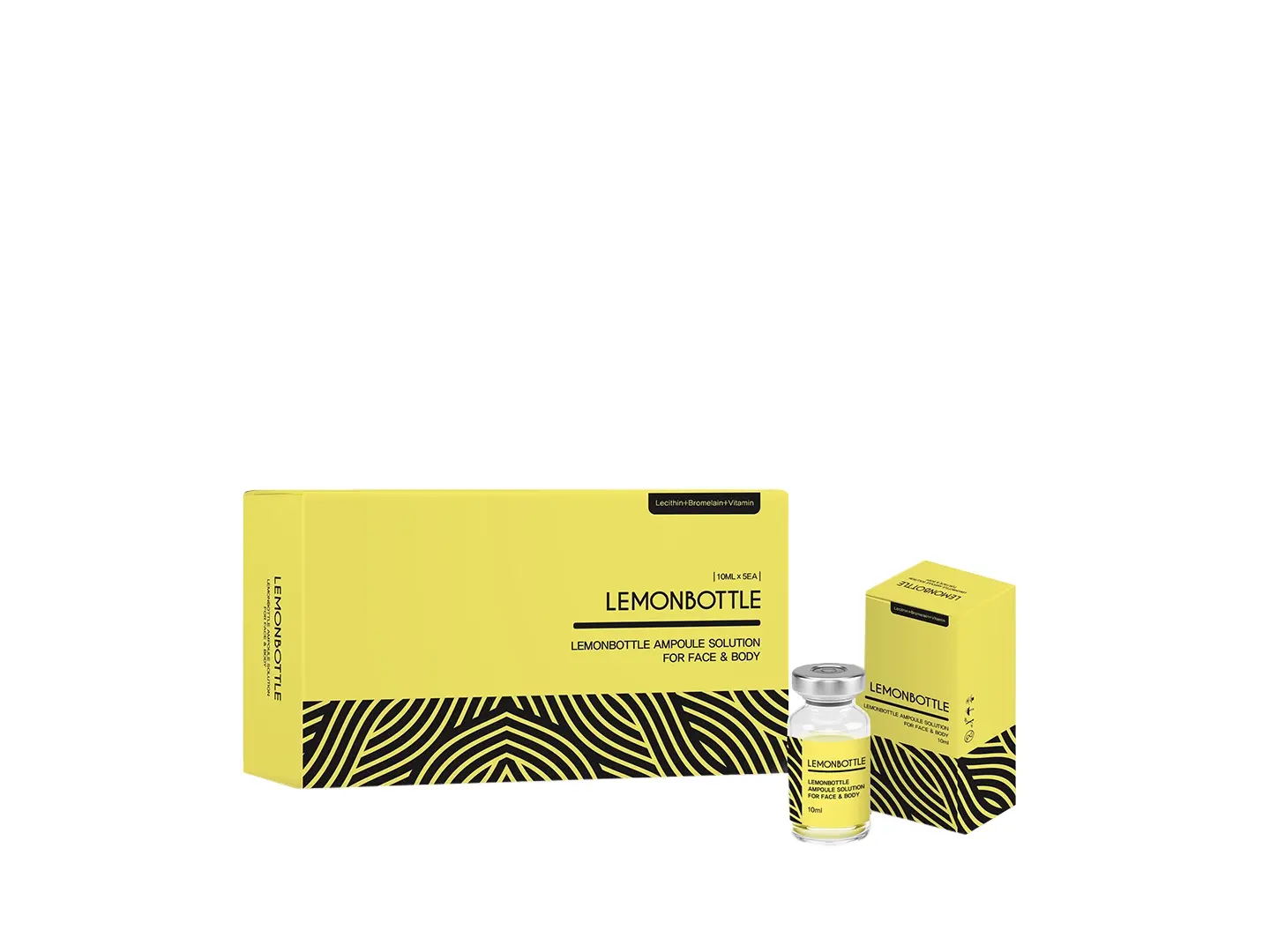
- LEMONBOTTLE: In the body-contouring category, LEMONBOTTLE is marketed for localized fat reduction rather than skin hydration. Clinics assessing whether to buy LEMONBOTTLE should compare its formulation with local regulatory requirements and available product documentation.
- PRX-T33®: PRX-T33® is a topical TCA-based biorevitalization treatment, not an injectable mesotherapy cocktail. Practitioners may buy PRX-T33® as a separate option where its intended use is appropriate.
- REJURAN®: Product composition is particularly important here. REJURAN® injectable formulations such as Healer are PN-based, so check the specific product rather than assuming all polynucleotide and PDRN formulations are equivalent when you buy REJURAN®.
- VISCODERM®: HA formulation, product presentation, and intended treatment area provide a more useful basis for comparison than broad hydration claims. Check these details when deciding whether to buy VISCODERM® for a skin-quality protocol.
What Does the Clinical Evidence Show for Mesotherapy?
The effects of mesotherapy are not consistent across formulations or treatment goals. Clinical trials have reported both positive and negative findings:
- Skin: One randomized study reported improved elasticity and complexion radiance after three monthly sessions with a specific HA formulation. [5] A separate six-session study found no statistically significant clinical or histological improvement. [6] Results should not be generalized across products.
- Hair: A 2024 systematic review examined 11 studies involving 576 participants across mesotherapy and comparator interventions. The authors noted substantial variation in study design and treatment protocols, highlighting the need for more controlled research. [2]
- Body: Formulations used for localized fat deposits differ in their evidence and regulatory status. FDA guidance documents serious risks from unapproved fat-dissolving injections. [3]
These findings reinforce the importance of evaluating each product’s evidence rather than assuming consistent benefits across the category.
Dosage, Session Protocols, and When Practitioners See Results
Most mesotherapy treatment plans start with an induction phase, followed by maintenance sessions, though the exact schedule depends on the condition and the product.
- Initial phase: Many published protocols use multi-session induction courses, ranging from three monthly sessions to six biweekly sessions depending on the formulation [5][6], followed by maintenance visits; weekly intervals are common in clinical practice. [4]
- Maintenance phase: Monthly sessions to help sustain results, particularly for skin rejuvenation and hair restoration treatments.
Quantities per session also vary with treatment area. Facial mesotherapy generally calls for lower volumes, while scalp and body treatments require more, which shapes how many units a clinic needs on hand for a full patient course.
Mesotherapy before and after assessments should reflect the completed treatment course rather than a single session. [5][6] Hair protocols also differ considerably in treatment frequency and evaluation timelines, while evidence for body-contouring outcomes remains formulation-dependent. [2][3]
Legal Status and Purchasing Requirements – What Practitioners Need to Know
Regulatory requirements differ by formulation and jurisdiction. An injectable skin booster, a topical aesthetic product, and a lipolytic preparation may fall under different regulatory categories, so practitioners should confirm each product’s classification, intended use, and professional-use restrictions.
Injectable products intended for clinical use should be administered by qualified professionals in accordance with applicable regulations. Medical Spa Rx verifies buyer credentials before eligible clinics purchase mesotherapy products through its platform.
Storage and Cold Chain – Critical Information Before You Order
Storage requirements vary by formulation, so clinics should consult the manufacturer’s Instructions for Use (IFU) before they order mesotherapy online products for scheduled treatments. Some formulations require refrigeration at 2°C–8°C, while others permit controlled room-temperature storage. Check the specified conditions for each product rather than applying them across the category.
Products should be protected from conditions prohibited by their labeling, including excessive heat, freezing, or direct sunlight where applicable. Shipping arrangements should account for any temperature-control requirements. On arrival, clinics should inspect packaging integrity, verify expiry dates, and confirm that storage conditions have been maintained. Opened products should be handled according to their individual IFUs.
Price of Mesotherapy Products – How to Compare Wholesale Value
Mesotherapy cost depends on the brand, formulation, pack size, and number of sessions. For clinics, evaluating the full treatment course is more useful than comparing vial prices alone.
Practices that purchase mesotherapy products for recurring appointments should also factor in expiry dates, inventory needs, and expected use. Current prices and ordering options are available in Medical Spa Rx’s catalog.
Mesotherapy Safety: Adverse Effects and Contraindications
Mesotherapy safety depends on the formulation, injection technique, treatment area, and practitioner qualifications. Common effects include temporary bruising, redness, swelling, and tenderness. Other reported complications include nodules, discoloration, infection, allergic reactions, and tissue injury. [4]
Injection lipolysis requires additional caution because unapproved fat-dissolving products have been associated with serious complications, including infection, scarring, and skin deformity. [3]
Contraindications and precautions should be assessed against the individual product’s instructions for use. Active infection or known hypersensitivity to an ingredient may preclude treatment, while pregnancy, breastfeeding, and significant bleeding risks require appropriate clinical assessment. Aseptic technique and practitioner training remain essential. [4]
Where to Buy Mesotherapy Online – Medical Spa Rx’s Secure Platform
Medical Spa Rx lets licensed practitioners buy mesotherapy wholesale after comparing brands, formulations, and pack sizes. Each product listing helps clinics review ingredients, intended use, and ordering options before choosing.
Practitioners preparing to buy mesotherapy injections online should confirm product eligibility, documentation, and requirements for professional use. Clinics managing larger treatment volumes can also order mesotherapy products through the catalog or contact the team about bulk pricing and availability.
Frequently Asked Questions
Which product details matter most when comparing mesotherapy brands?
Active ingredients, concentrations, presentation, intended use, and regulatory status are important comparison points. Products from the same manufacturer may have different formulations, so clinics should evaluate individual listings rather than rely on the brand name alone.
Does product presentation affect purchasing decisions?
Yes. Ampoules, prefilled syringes, and treatment kits differ in packaging and available quantities. Procurement teams should consider the intended protocol, expected product use, and handling requirements when comparing these formats.
What should clinics look for when comparing scalp-focused formulations?
The intended indication, ingredient profile, available clinical evidence, and product instructions should guide selection. Research on hair mesotherapy remains limited and heterogeneous, so formulations should not be assumed to deliver equivalent outcomes.
How should practitioners assess products intended for delicate facial areas?
Products intended for under-eye or other delicate facial applications require careful consideration of anatomical suitability, ingredient composition, and administration guidance. When evaluating options or researching how to order Mesotherapy wholesale, practitioners should assess each formulation’s intended treatment area and supporting evidence rather than assuming a general facial product is suitable for every application.
Where does PRX-T33® fit when comparing mesotherapy products?
PRX-T33® is a topical TCA-based biorevitalization treatment rather than an injectable mesotherapy cocktail. Clinics should compare it according to its intended application method, not as a direct substitute for injectable formulations.
How should conflicting clinical findings influence product selection?
Clinical trials involving facial mesotherapy have produced different results. One study reported improvements with a specific HA formulation, while another found no statistically significant clinical or histological improvement. Buyers should consider product-specific evidence rather than broad efficacy claims.
Why is treatment-course cost more useful than comparing vial prices?
The total cost of a treatment course accounts for product quantity, session frequency, pack size, and expected use. A lower individual product price does not necessarily translate into better value across a planned protocol.
What should clinics confirm before placing a bulk mesotherapy order?
Before ordering larger quantities, clinics should review formulation details, professional-use requirements, regulatory eligibility, storage instructions, and expiry dates. Medical Spa Rx also provides catalog information and support for bulk pricing and availability inquiries.
The page and all of its displayed contents are for medical professionals, designed to inform only, and not as a replacement for medical advice.
Citations and Resources
[1] Konda, Deepthi, and Devinder M Thappa. “Mesotherapy: What is new?.” Indian journal of dermatology, venereology and leprology vol. 79,1 (2013): 127-34. doi:10.4103/0378-6323.104689
[2] Aledani, Esraa M et al. “Mesotherapy as a Promising Alternative to Minoxidil for Androgenetic Alopecia: A Systematic Review.” Cureus vol. 16,5 e59705. 5 May. 2024, doi:10.7759/cureus.59705
[3] U.S. Food and Drug Administration. “Using Fat-Dissolving Injections That Are Not FDA Approved Can Be Harmful.” U.S. Food and Drug Administration, www.fda.gov/drugs/buying-using-medicine-safely/using-fat-dissolving-injections-are-not-fda-approved-can-be-harmful.
[4] Mammucari, Massimo et al. “International Consensus Guidelines on the Safe and Evidence-Based Practice of Mesotherapy: A Multidisciplinary Statement.” Journal of clinical medicine vol. 14,13 4689. 2 Jul. 2025, doi:10.3390/jcm14134689
[5] Baspeyras, Martine et al. “Clinical and biometrological efficacy of a hyaluronic acid-based mesotherapy product: a randomised controlled study.” Archives of dermatological research vol. 305,8 (2013): 673-82. doi:10.1007/s00403-013-1360-7
[6] El-Domyati, Moetaz et al. “Efficacy of mesotherapy in facial rejuvenation: a histological and immunohistochemical evaluation.” International journal of dermatology vol. 51,8 (2012): 913-9. doi:10.1111/j.1365-4632.2011.05184.x
Top Mesotherapy brands
We work with leading international brands specializing in Mesotherapy , selected for their clinical reliability, regulatory compliance, and consistent treatment outcomes. These are our most recommended suggestions:
Written and reviewed by the Medical Spa Rx Editorial Team
All clinical and product claims on this page have been checked against peer-reviewed research, manufacturer data, and regulatory sources in accordance with our Editorial Policy .
Authenticity matters.
-
Licensed sourcing channels
-
Original manufacturer packaging
-
Careful order fulfillment
At Medical Spa Rx, we take product authenticity seriously. Read about our commitment to genuine products.